H₂ Products

All Products
Electrolyzers
Fuel Cells
H₂ Leak Detectors
Dew Point Meters
Hydrogen Purity Analyzers
Mass Flow Controllers
Digital Pressure Gauges
MEA & Materials

Can't find what you need? We source custom components.

Custom Request →
Carbon Cloth
Productsmea materialsGraphite Felt & Carbon Cloth

Graphite Felt & Carbon Cloth

High Conductivity · Chemical Resistance

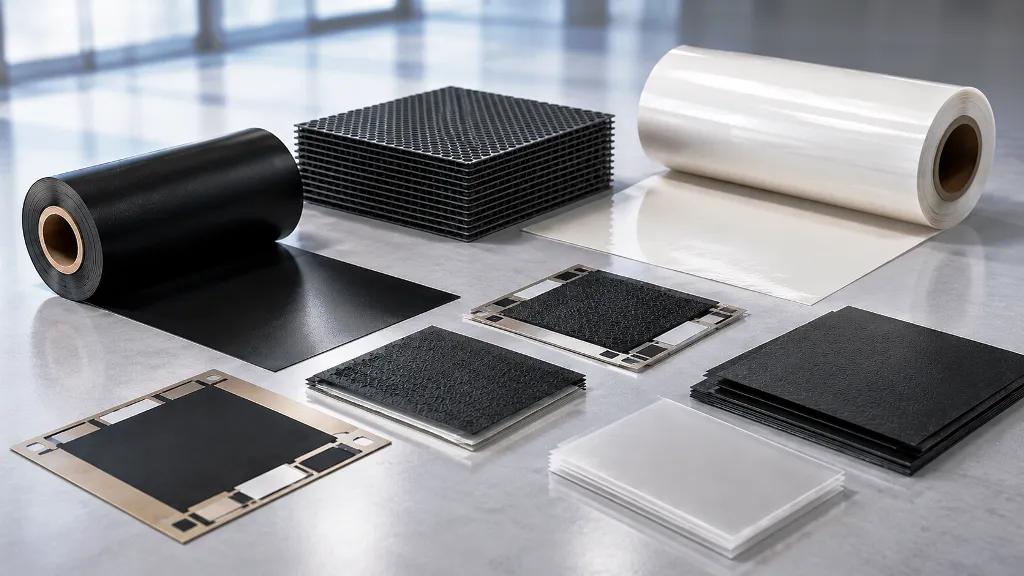
Graphite felt and carbon cloth materials for flow battery electrodes and PEM fuel cell gas diffusion layers. High conductivity, high purity and chemical resistance across multiple thickness options — for stack manufacturing and electrochemical research.

Products being added to this category.

Enquire directly →

What is a Graphite Felt & Carbon Cloth?

Graphite felt and carbon cloth are porous carbon-based materials used as electrodes in redox flow batteries and as an alternative gas diffusion layer material in PEM fuel cells. Manufactured from carbon and graphite, these materials offer high electrical conductivity, high chemical purity and strong resistance to the corrosive electrochemical environments found in both flow battery and fuel cell applications.

In flow battery systems, graphite felt serves as the electrode where the redox reaction occurs — its high surface area and porosity providing extensive reaction sites for the electrolyte to contact the conductive carbon structure, while its chemical resistance withstands prolonged exposure to the battery's electrolyte chemistry. In PEM fuel cells, carbon cloth can serve as an alternative to carbon paper GDL material, offering different mechanical flexibility and gas permeability characteristics suited to specific stack designs.

Material is available in different thickness grades to match your specific electrode or GDL requirement, with fast delivery supporting both production manufacturing and research applications. Hydrogenergy supplies graphite felt and carbon cloth for flow battery electrode applications, fuel cell GDL alternatives, and general electrochemical research requiring high-purity, high-conductivity porous carbon materials.

Applications

Vanadium and other redox flow battery electrodes
PEM fuel cell GDL alternative
Electrochemical research and testing
Custom electrode development

Frequently asked questions

What is the difference between graphite felt and carbon cloth?
Graphite felt is a non-woven, fibrous carbon material commonly used as flow battery electrodes due to its high porosity and surface area. Carbon cloth is a woven carbon fabric, offering different mechanical properties and flexibility, used both as flow battery electrode material and as an alternative GDL material in fuel cells.
Why is graphite felt used as a flow battery electrode?
Graphite felt provides extensive surface area for the redox reaction, good electrical conductivity to carry current to and from the electrode, and strong chemical resistance to withstand prolonged exposure to flow battery electrolyte chemistry over the system's operational life.
Can carbon cloth be used instead of carbon paper as a GDL?
Yes — carbon cloth is an alternative GDL material to carbon paper, offering greater flexibility and different gas permeability characteristics. Selection between carbon cloth and carbon paper GDL depends on your specific stack design and mechanical requirements.
What thickness options are available?
Multiple thickness grades are available for both graphite felt and carbon cloth, allowing selection based on your specific electrode area, reaction kinetics requirements, or GDL mechanical specification. Contact Hydrogenergy with your application details for thickness recommendations.
Are these materials suitable for research applications?
Yes — graphite felt and carbon cloth in this range are supplied for both production-scale flow battery and fuel cell manufacturing as well as electrochemical research applications, with fast delivery supporting rapid testing and development cycles.
Need help choosing the right model?
Our engineers will recommend the right graphite felt & carbon cloth for your application.
Talk to an Engineer →